

Odeko unlocked $6M in profit with no added headcount.
analyses that took a week of manual work now take ~30 minutes
reduction in monthly burn rate
in FP&A analyst capacity, able to serve near 2x markets vs prior
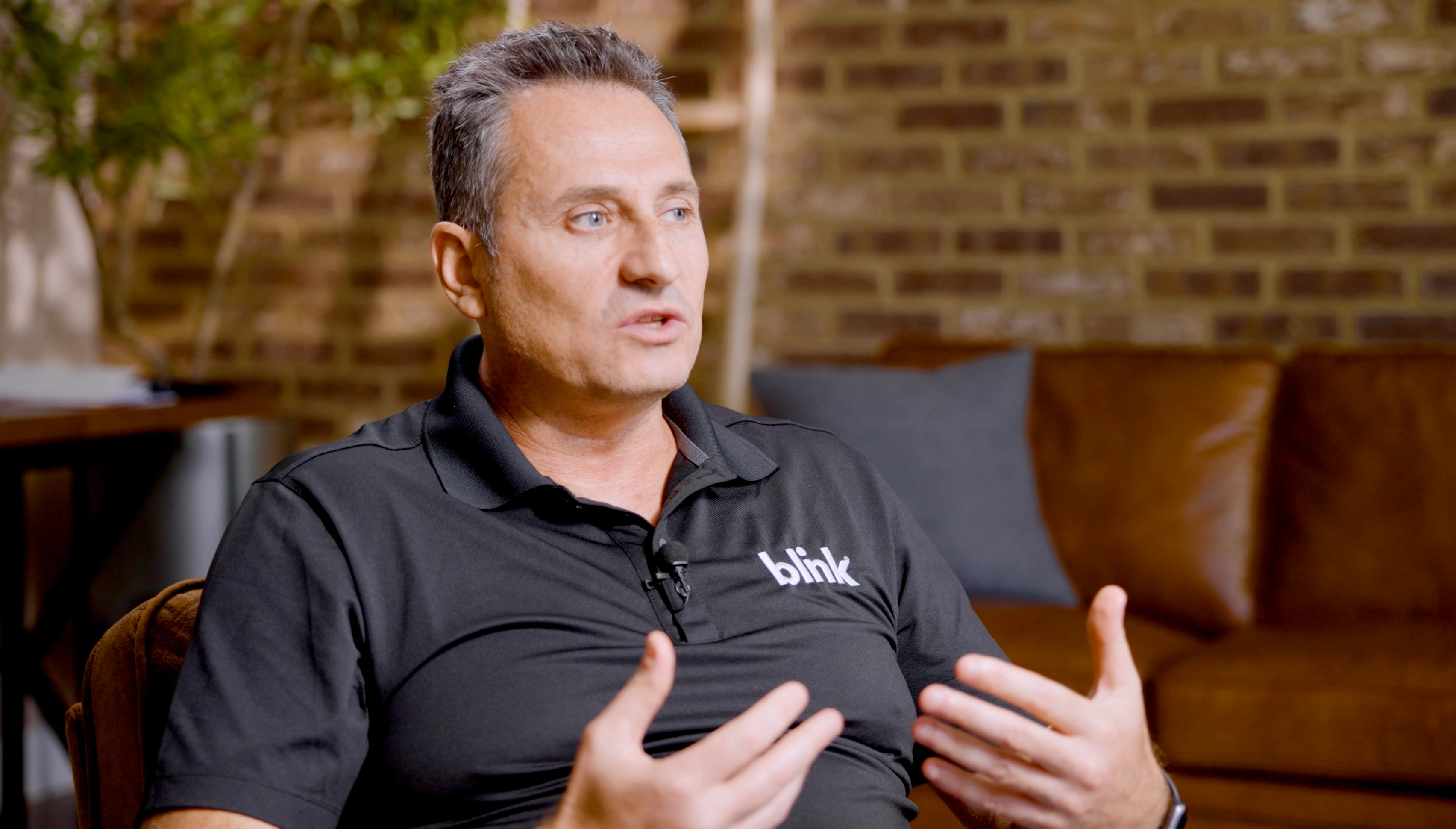
“For the first six weeks we've measured, we've added about a half million dollars in bottom line. Annualized, it's somewhere around $5 or $6 million.”

VP of Finance · Odeko
A profitability mandate with no fast path to act
Odeko is the operating partner for independent coffee shops, handling delivery, warehousing, and e-commerce across 20+ markets for over 10,000 customers and 5,000 SKUs. Despite having Looker for daily reports, the four-person FP&A team, led by VP of Finance Mike Pearse, lacked a tool to analyze market-level profitability, pricing, and rebate impact. On top of that, they had a hard profitability mandate with a backlog of more than 60 ways to hit it, and no fast, trusted way to act on any of them.
The team had already sunk months and budget into Workday Adaptive to solve this, only to watch brittle mapping files and constant integration breakage make it unusable and force them back onto spreadsheets.
Left without a working tool, quantifying a single initiative meant hand-writing SQL against the data warehouse, then a multi-week Excel build, so most of the 60+ initiatives sat untouched. Margins were nearly impossible to analyze as rebates and invoices landed in different transactions.
Solution
Connected to NetSuite and Databricks in weeks, not quarters
A board associate introduced Sapien to Odeko's team. Within two weeks of lightweight calibration (a couple of brief working sessions where the team taught Sapien Odeko's operating shorthand), Sapien's agents were connected to Odeko's data across NetSuite, Databricks, and the systems where the business already operated. Sapien automatically learned the table relationships, operating definitions, and business logic needed to answer the critical questions about why margin was leaking, what drove performance, and where to uncover measurable ROI.
"It was so simple, a fraction of the time we spent on an implementation. We hooked it up to NetSuite and Databricks and it started doing its own learning, looking at the relationships between data tables."
Mike PearseVP of Finance · Odeko
Sapien identified pricing as the first profit lever the team could pull, then built the case for the commercial team. With access to unit-level pricing, vendor cost, customer, and SKU data, it showed where supplier costs had risen over 20% in four years, substantially faster than Odeko's prices.
From there, Sapien did the work of a senior finance operator: it quantified the expected impact of every pricing move in dollars, stress-tested the recommendations against churn risk at the customer and SKU level, and surfaced the rationale behind each call: which vendors, which markets, and why. Instead of a general "raise prices" mandate, the commercial team walked into their next cycle with clear marching orders: exactly which SKUs to reprice, which customers to pass increases to, and how much revenue each move was likely to add against how much was at risk of walking away.
After the pricing change went live, Mike used Sapien to measure the result and decompose what was driving the gain, including seasonality and ongoing churn risk. The analysis is now re-run weekly, becoming an ongoing margin-management motion.
Why Odeko trusted Sapien with real change
Unlike LLMs, which are generic chat interfaces trained on the internet and fed pasted context, Sapien learned Odeko's business from the data itself: the table relationships, the company-specific definitions, the operational shorthand. The team told Sapien once that the term "local delivery" maps to four shipping methods, and Sapien retained this knowledge for every subsequent analysis.
That meant Sapien could reason the way a senior finance operator would. It didn't just return an answer. It traced outputs through Odeko's data and reused what it learned the next time a similar question came up. Odeko trusted Sapien to drive real change because its context was Odeko's.
Results
$6M in margin opportunity and a faster operating model
In the first six weeks after the pricing change went live, Odeko added about half a million dollars to the bottom line. That's a run rate of $5 to $6 million.
"Sapien is a scale enabler. You hook Sapien up and the CFO or VP of Finance might not need to build a team out of the gate."
Once Sapien proved the pricing opportunity, Odeko expanded it beyond finance. Within weeks, operations, sales, and accounting teams were using the same company context to answer their own questions instead of routing every request through FP&A.
The shift changed what each team could do. Finance moved from reporting margin to pinpointing the moves that improve it: which prices, which vendors, which markets to act on first. Regional leaders went from combing 3,500 to 5,000 rows between soft and hard close to asking what changed, why, and where to act next, owning their markets instead of waiting on a file.
"As you ask me questions, I'm just asking Sapien. I offloaded that middleman work. It's like the hockey-stick point in the chart where the companies take off."
The payoff was not just time saved but a faster operating model. Finance now spends its hours on the decisions that move the P&L, market owners run their businesses directly, and Odeko can add markets and push profitability without the new hires and bottlenecks that scaling usually brings.