
Cooper Standard found millions in savings by seeing what their systems could not surface.
of the required program-cost analysis now in scope, up from ~10%
for analysis that previously consumed days
in initial inventory savings uncovered
“What I loved about Sapien, first off, is you can see the math of what it is doing. You can check it as it is calculating its answer to see if there are any mistakes. That auditability and transparency in how it is building things up was really compelling.”

Senior Finance Manager · Cooper Standard

For Cooper Standard, Sapien's value comes down to the bottom line: understanding what makes vehicle programs more profitable, finding inventory savings, and acting on opportunities that teams could not previously see.
Cooper Standard's (NYSE: CPS) sealing and fluid-handling systems are built into vehicles around the world. They help keep water outside the cabin and fluids contained across fuel, brake, cooling, and powertrain systems. The company generated $2.74 billion in sales in 2025.
The global automotive supplier has expanded its program-cost analysis from roughly 10% of what was needed to the full relevant dataset. That gives teams a much broader view of where costs can be reduced, which programs perform better, and what they can change to improve profitability.
"With Sapien, it's very easy to see what can we improve to be more profitable across our programs."
Patricia DominguezDirector of Information Technology · Cooper Standard
In inventory, Dominguez pegs the initial savings at least a couple of million dollars from looking at issues the team had not been able to see before. The same ability to investigate more of the business is drawing new users into Sapien across supply chain and finance.

Millions of parts, one connected view of program economics
Each vehicle program contains a hierarchy of raw materials, components, finished goods, suppliers, and plants. Its profitability depends on how those layers fit together—not simply on the total cost recorded in a report.
The same or similar component may be identified differently across plants. One facility may measure a material in kilograms while another uses pounds. Component records, finished-good information, and supplier details may live in different systems.
Across millions of parts, those inconsistencies can hide meaningful differences in cost. A useful answer requires understanding which items are comparable, how units should be converted, and how a component rolls up into a finished product and vehicle program.
Cooper Standard already had mature ERP, business intelligence, and global reporting systems. The bottleneck was assembling and interpreting enough of that information to answer a specific business question.
Users might filter a database five or six times, pull from two or three additional systems, and join exports in Excel. Memory limits could restrict an investigation to one month even when it needed a longer view. Much of the effort went into making the question answerable before anyone could analyze the result.
Sapien learned the business logic, so teams could move to decisions
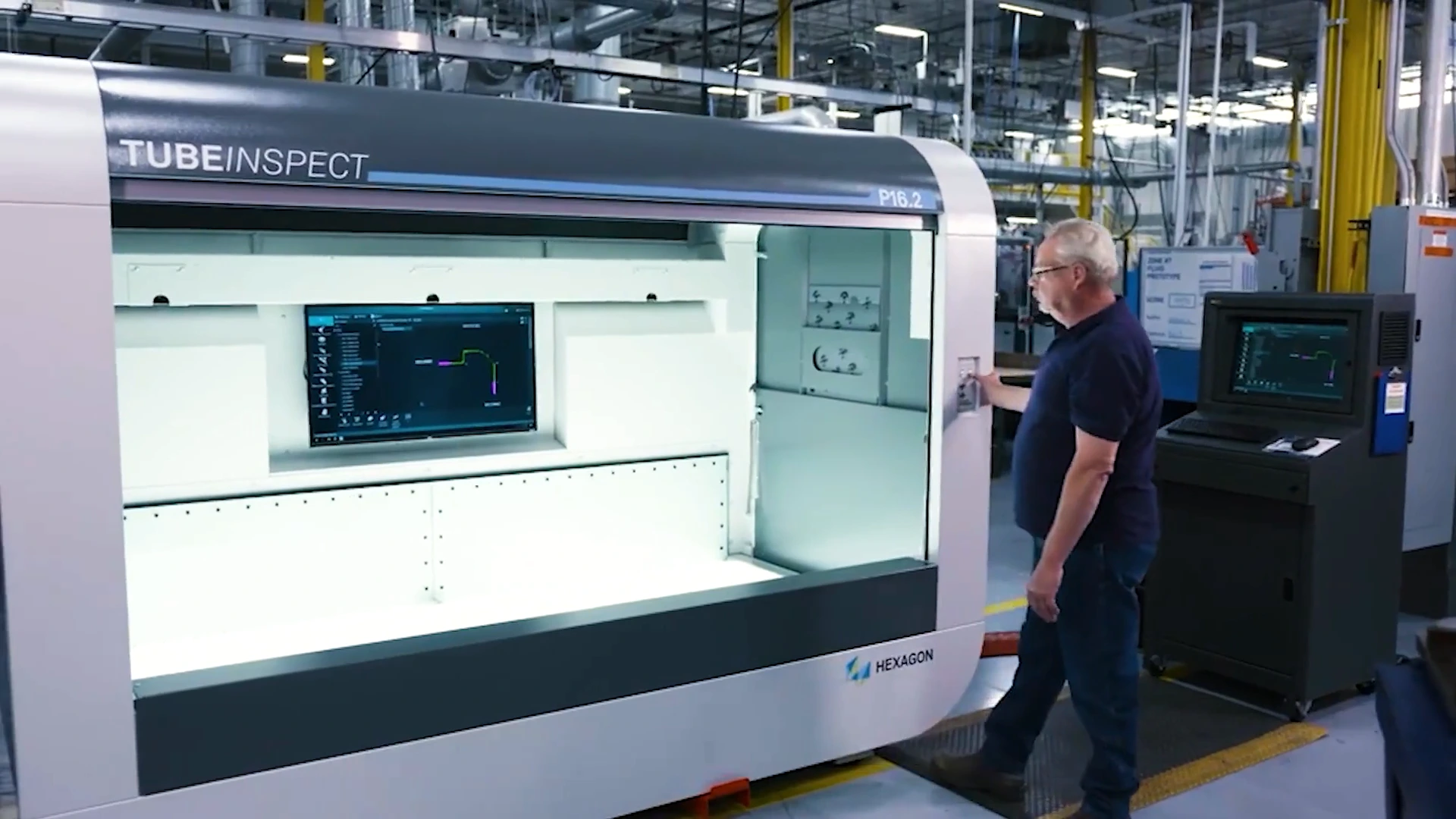
One early dataset contained approximately three to four million rows covering a year of activity from one region. Sapien recognized the terminology and bill-of-material hierarchy, from raw materials and components through finished goods and vehicle programs.
Clayton Boberg estimated that people had previously needed one and a half to two weeks to understand the filtering and calculations. Sapien reached a working understanding of the dataset in about a day. Once the team established how components, suppliers, units, and calculations should be interpreted, Sapien could apply that knowledge to subsequent questions.
"We are saving days and days of explaining just the pure data, not even the insights of the data. We know what the data says now. Sapien gives us this insight, so we can move forward instantly with analysis and start working on improvements way sooner than before."
Clayton BobergFinancial Analyst and Data Scientist · Cooper Standard
Users could ask questions in ordinary business language and receive an analysis in approximately five minutes rather than spending hours or days assembling it. They could compare component costs, examine supplier inflation, and investigate similar parts sourced at different prices without reconstructing the analysis each time.
The value was both speed and continuity: less time re-explaining the data, more time using a shared understanding of it to investigate improvements.
From selective analysis to a broader search for margin
With limited analytical capacity, program-management teams had to choose where to look. Sapien expanded the scope of what they could feasibly investigate.
"Without Sapien, they were able to do only maybe 10% of the full analysis that was needed. With Sapien, everything is 100%. They can see all of the data and do comparisons across it. It was not feasible before, and now it is possible."
That wider view lets Cooper Standard compare stronger- and weaker-performing programs, understand the underlying cost differences, and carry the findings into pricing, sourcing, and future business decisions.
Patricia Dominguez describes the consequence in business terms: profit-margin analysis becomes easier, teams can see what would make programs more profitable, and learning from one program can improve preparation for the next.
"That translates directly in the bottom line."
In inventory, teams began comparing safety stock across plants and examining purchasing needs as vehicle programs approached the end of production. The analysis helps reveal where the company risks buying too much and where spending could be reduced.
The starting point has been a few million dollars in immediate inventory savings. Teams can now compare stock across plants, investigate spending that was previously difficult to examine, and pursue improvements against a much more complete view of the business.
Trust built through inspectable analysis and enterprise evaluation
Financial and operational teams need more than a plausible answer. They need to see the inputs and calculations, challenge assumptions, and carry corrections forward.
"What I loved about Sapien, first off, is you can see the math of what it is doing. You can check it as it is calculating its answer to see if there are any mistakes. That auditability and transparency in how it is building things up was really compelling."
Michael NobleSenior Finance Manager · Cooper Standard
In one early analysis, an apparent component-cost opportunity turned out to involve inconsistent units of measure: kilograms were being compared with pounds. Users could inspect the calculation, identify the issue, and record the correct conversion logic in Sapien for future analyses.
That transparency lets teams trace an answer to its source and preserve what they learn. A correction does not have to remain inside one analyst's spreadsheet or be explained again to every colleague.
Cooper Standard also evaluated Sapien against its cybersecurity process and architecture guardrails. Dominguez described an end-to-end review by its AI/IT team to validate that the platform was secure for the company to use.
The pilot spread because users wanted the capability
Adoption moved beyond the initial commercial and program-management work as other teams saw what Sapien could do with their own business questions.
Finance users presented their work at an internal AI showcase attended by approximately 800 people. Inventory-management users became active adopters after seeing Sapien analyze a complex bill-of-material structure. Teams began keeping it open during meetings with plants and regional colleagues so they could investigate questions as they arose.
"It is not us trying to push the platform. It is the users wanting to have access to this platform."
Current use cases include:
- Program profitability and margin analysis
- Component and supplier cost comparisons
- Supplier inflation analysis
- Inventory and safety-stock management
- Financial trends and variance analysis
- Plant and regional performance reporting
Cooper Standard is exploring extensions into forecasting, pricing, manufacturing KPIs, labor efficiency, and scrap analysis. A planned forecasting workflow aims to reduce a plant controller's outlook preparation from a full working day to a few hours, preserving time for review and operating judgment.
Cooper Standard is moving from selective analysis to a broader search for profit improvement. More teams can investigate the economics behind their decisions, and each additional dataset expands where they can look next.
"Anywhere where we are data-rich, whether it is cost, the prices we sell on, or manufacturing KPIs, we can use Sapien to bring out those key insights and share them with leadership in an actionable way. Having a tool that is adaptable to the data, with a bias for action, will unlock a lot for us here."