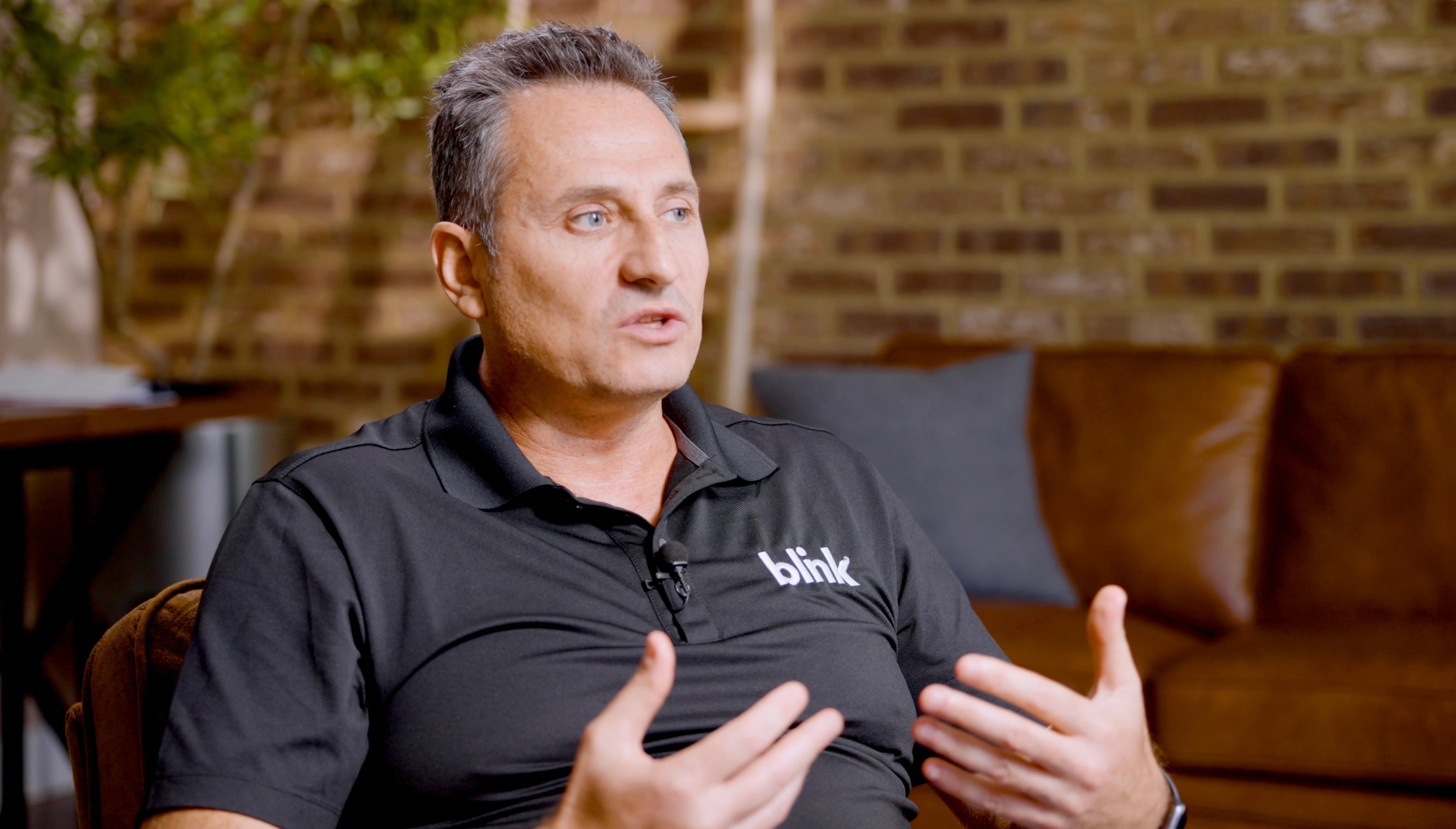


Carlex corrected a $12M EBITDA attribution and uncovered $1.5M+ in annualized profit.
EBITDA attribution corrected
annualized profit opportunity, identified in 20 minutes
customer order in less than 24 hours
“We were looking at a positive variance, but it drove us toward a negative one we weren't even worried about. That was a $1.5 million opportunity we found through this tool that we would never have looked at through the normal analysis. It took 20 minutes.”

Business Unit Vice President of Finance, Aftermarket Division

Carlex's existing analysis pointed to a $10 million EBITDA benefit from volume and mix. Sapien's deeper analysis showed a $2 million drag instead.
That $12 million difference in attribution changed which business levers Carlex needed to examine. Increasing volume under the existing mix could compound the problem. The opportunity lay in understanding the products, customers, and pricing decisions behind the result.
It was the beginning of a broader shift. Carlex first used Sapien to validate a familiar finance workflow. It then uncovered a $1.5 million annualized profitability opportunity the team had not been looking for—in twenty minutes—and further brought the same business understanding into pricing, customer orders, and operations.
From explaining the last month to changing the next outcome
Carlex sells more than 10 million automotive glass units each year into original equipment production and the replacement market. At its Nashville operation, raw materials enter one side of the facility and finished windshields and tempered products leave the other. Carlex describes it as the only plant of its kind in the United States.
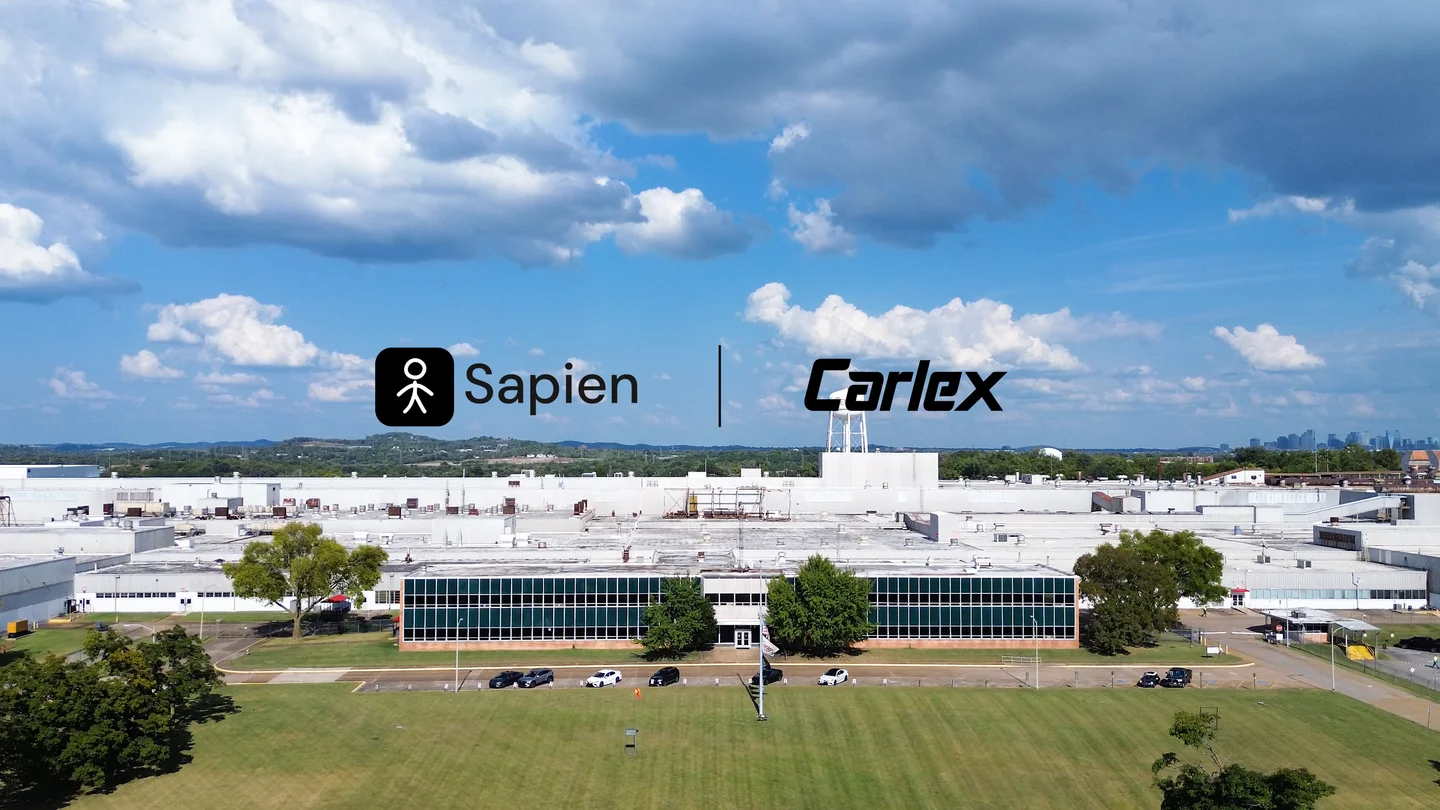
Its finance team had already reduced management reporting from 30–45 days after period close to approximately five days. The next challenge was not producing another report. It was reaching the operating decisions behind the numbers while there was still time to act.
The same product can sell to the same customer at different prices depending on the channel. An EBITDA variance can reflect price, volume, inflation, spending, customer mix, or several factors at once. Understanding the result means separating those effects across products, customers, and plants.
Producing the first layer of analysis could take three to five days after close. Reaching the underlying drivers could take weeks. Sapien lets Carlex work from the EBITDA movement down to the customers, products, and channels responsible, including during the month rather than only after it ends.
"Sapien allows us to analyze what is driving profitability at levels of detail that previously would have taken an immense amount of time... Sapien can identify relationships in the data and point you toward questions that a person might not have known to ask."
Alex RotoloCFO · Carlex
Trust began with an analysis Carlex already knew
Carlex asked Sapien to reproduce an attribution analysis the finance team already performed in Excel.
Sapien connected to Carlex's ERP and raw datasets without requiring integration work from the Carlex team. Finance users could inspect the calculations and trace results to their source, testing the output against work they already understood.
"We started the relationship from a cold call, so there was zero trust on day one. Once we saw the proof of concept, that this thing really is doing what we already do, that was a huge threshold. We had a baseline: we can trust this."
Alex CohnSenior Director of Finance · Carlex
Once the numbers tied out, Carlex asked Sapien to go deeper. A summary view became three levels of analysis, connecting EBITDA movement with its underlying customers and products. The evaluation established a baseline for trust; the additional detail showed what that trust could unlock.
Carlex now often sees the first version of a new Sapien workflow within one or two days.

A $12 million attribution correction changed the business response
Carlex's existing Excel and Power BI analysis could not easily separate volume and mix at the granularity needed to understand the underlying economics. The analysis appeared to show that those factors were contributing $10 million of positive EBITDA.
Sapien rebuilt the attribution across SKUs, customers, products, and plants, with each driver traceable to its source. The deeper analysis showed a $2 million drag.
The $12 million correction to attribution changed the business response. More volume under the existing mix could reinforce the problem. Sapien gave Carlex a clearer basis for examining product mix, customers, and pricing—and deciding where to act.
Sapien had expanded what Carlex could see in an analysis it already performed. The next discovery came from an issue its normal process would not have investigated.
Then Sapien found the question Carlex had not asked
Jason Waltz, Business Unit Vice President of Finance for Carlex's Aftermarket Division, asked Sapien to explain a favorable customer-channel mix variance.
Sapien identified the customers and products behind the positive result. It also surfaced an unfavorable mix hidden beneath it. A question about what was going well became an opportunity to address what was holding profitability back.
"We were looking at a positive variance, but it drove us toward a negative one we weren't even worried about. That was a $1.5 million opportunity we found through this tool that we would never have looked at through the normal analysis. It took 20 minutes."
Jason WaltzBusiness Unit Vice President of Finance, Aftermarket Division · Carlex
Waltz estimated the investigation could have taken two weeks manually and still missed the issue. Sapien also suggested possible changes for Carlex to evaluate. He put the annualized profitability opportunity at approximately $1.5 million.
Carlex is applying this approach during active operating periods, with $300,000 in potential EBITDA recovery over a three-month horizon. The aim is to turn an explanation of performance into action before the period closes. Getting there depends on tracing a result to its cause quickly enough to still change the outcome.
"The biggest change Sapien brings to finance isn't simply doing the same analysis faster. It's allowing us to perform analyses we previously wouldn't have attempted, discover relationships we might not have thought to look for, and put that capability directly into the hands of people throughout the organization."

The same intelligence reached pricing and customer orders
Carlex's Automotive Glass Solutions business historically assembled one annual price file. Across thousands of products, some prices could suppress volume while others remained below what demand or limited availability justified.
With Sapien, Carlex began reviewing pricing weekly and biweekly while developing a monthly process. The team can investigate where prices may be suppressing volume, where products are underpriced, and where demand or limited availability changes the opportunity.
That capability did not remain inside finance. Carlex gave a customer-service representative access to analysis of a customer's order history and potential additional purchases.
"We gave it to one of our customer-service reps and said, 'When this customer puts in an order, compare it to what they've ordered and what Sapien sees.' She went back to the customer with products they could add. In less than 24 hours, she got another order, and it ended up being a third larger than it would have been."
Ryan LoperDirector of Data Analytics · Carlex
It was the representative's first time using Sapien with a customer. The insight became a customer conversation, and the conversation became a larger order. Carlex is expanding the workflow across additional customers and representatives.
The same context can inform inventory decisions across Carlex's distribution center and more than 300 field locations. Its success in replacement glass also created a model for the original equipment business.
Extending the model into OEM quoting and manufacturing
Quoting new OEM business requires Carlex to choose a production line, understand how it performs, estimate program costs, and set a price that supports the required investment.
That analysis can take weeks. An initial Sapien OEM quoting module produced a quote in less than 15 minutes, demonstrating how the same approach could support another consequential commercial decision.
Carlex is also working toward connecting more factory data. Every percentage point of yield on its float line represents hundreds of thousands of dollars in annual EBITDA. Connecting yield, scrap, productivity, and machine performance would extend Sapien's understanding from the P&L to the production line.
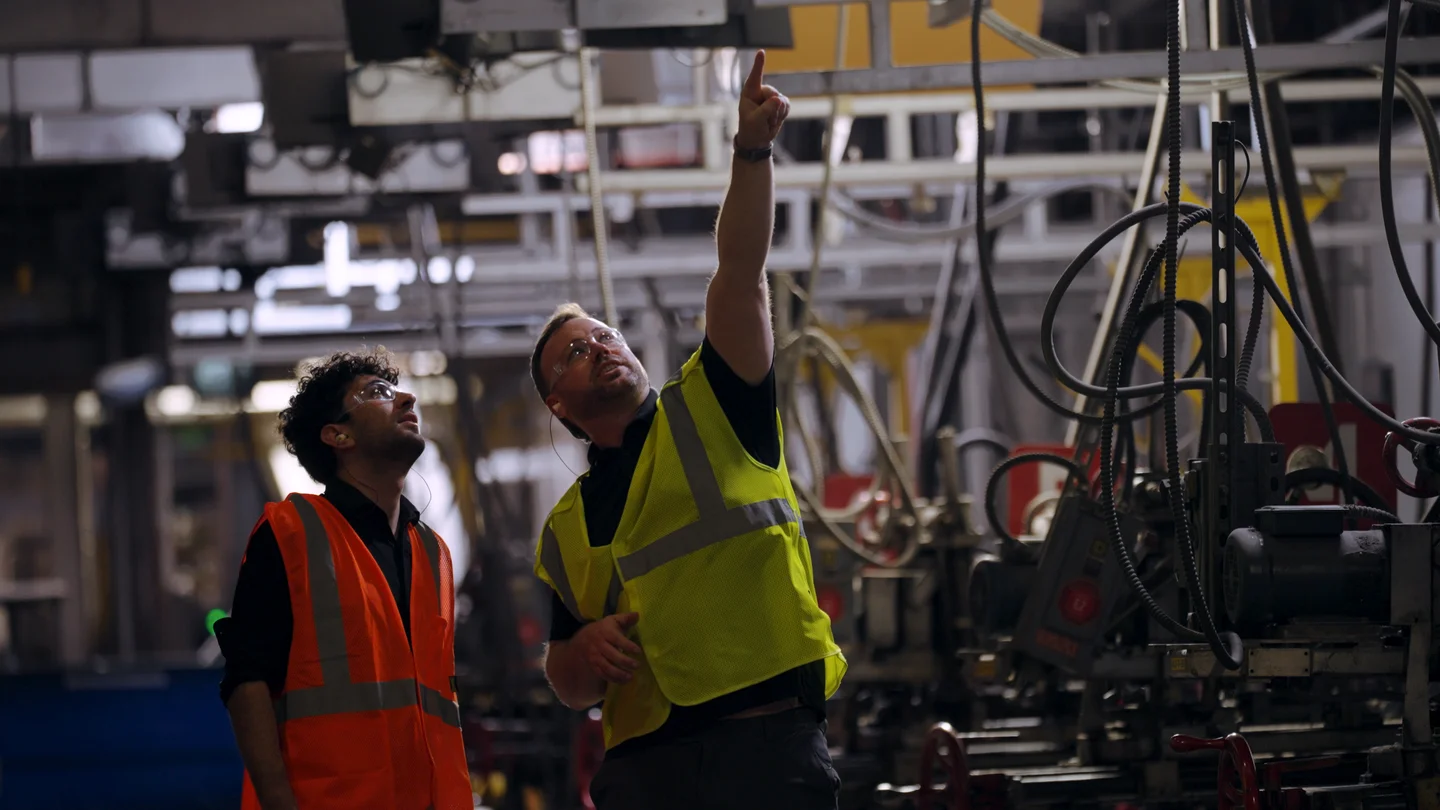
From one finance workflow to part of the operating team
Sapien's use has spread across finance, analytics, sales, customer service, operations, supply chain, and HR. Teams can begin with an operating or financial question, investigate its causes, and use the findings to decide what to do next.
For Ryan Loper, the opportunity is to expand what Carlex's people can accomplish. At the time of the interview, he had added two people to his analytics team to help pursue growth opportunities.
"We never looked at Sapien as a way to replace any individuals. We've grown our data analytics capabilities and teams. I've added two new folks to my team this year to use data to find opportunities to grow the business."
The progression is visible in the work: a more accurate explanation of EBITDA, an unexpected profitability opportunity, a larger customer order, and new applications across the company. What began as a test of one analysis has become a resource for running the business.
"From my seat as the CEO, Sapien is part of my team, part of my organization. They can present better options, and I can make better decisions."
Ramzi HermizCEO · Carlex